
Six Factors Affecting NdFeB Prices
- Ethan
- Knowledge base
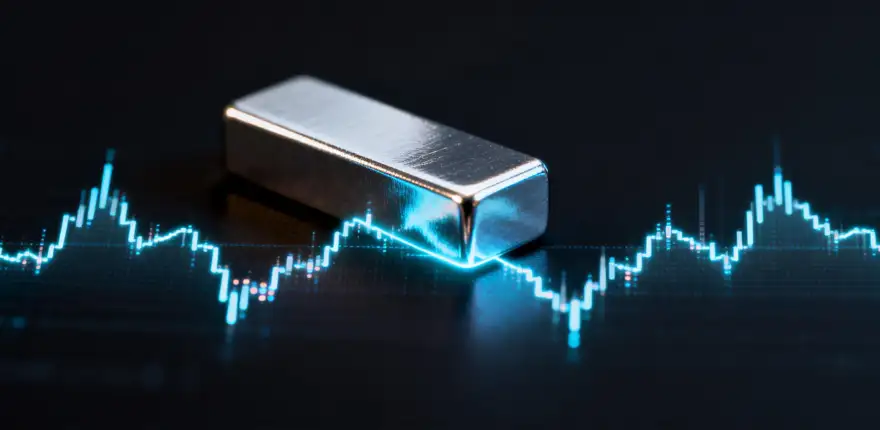
The wholesale price of neodymium magnet is influenced by a combination of factors, primarily including six key elements: rare earth raw material prices, demand for NdFeB, supply chain structure, processing complexity, purchase volume, and exchange rate fluctuations. These factors intertwine and directly determine the cost structure and market price of the magnets. If you work in procurement, supply chain management, or magnetic material applications, a thorough understanding of these factors will allow you to control your budget better, optimize your procurement strategies, and mitigate the risks of price fluctuations.
- Rare earth raw material prices fluctuate dramatically and are the most critical driver of NdFeB wholesale prices.
- Strong NdFeB demand pushes up overall magnetic material prices.
- The supply chain is highly concentrated in China, tightening regulations often lead to significant short-term price increases.
- Higher processing difficulty results in higher scrap rates and additional costs.
- Larger purchase quantities result in lower unit prices.
- Exchange rate fluctuations significantly impact overseas procurement costs.
Contents
Key Takeaways
- The wholesale price of NdFeB magnets is primarily driven by six factors: rare earth raw material prices, NdFeB demand, supply chain structure and regulations, processing difficulty, procurement quantity, and exchange rate fluctuations.
- Rare earth raw materials are the core cost factor, particularly praseodymium, neodymium, dysprosium, and terbium. Their price fluctuations directly determine the magnet’s unit price. It would be best if you frequently checked for real-time price quotes on platforms such as Business Society and SMM.
- Magnet demand is mainly driven by new energy vehicles, wind power, and consumer electronics.
- China dominates over 90% of global processing capacity, and its diversification strategy is accelerating, but this dominance is unlikely to change significantly in the short term.
Rare earth raw material prices
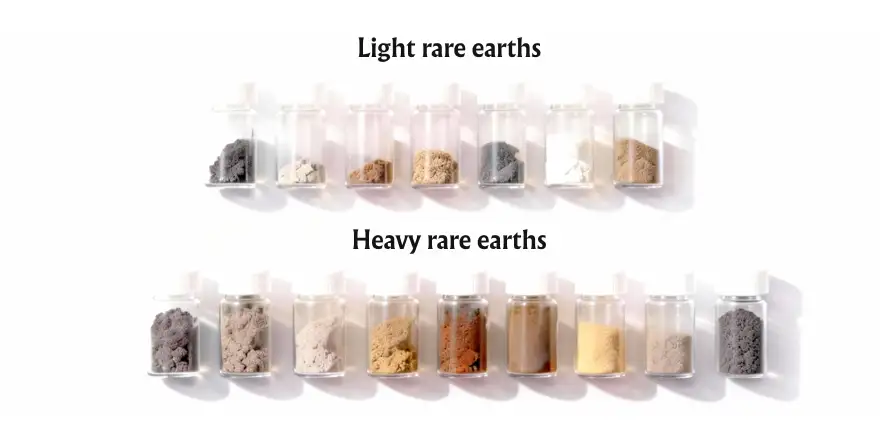
Rare earth elements are 17 elements in the periodic table, including scandium, yttrium, and the lanthanides. These elements are divided into two groups: light rare earths and heavy rare earths based on their physical properties and how they are separated. Light rare earths give magnets their basic magnetic force, while heavy rare earths enhance heat resistance and demagnetization resistance. The primary rare earth elements influencing magnet pricing are neodymium, praseodymium, dysprosium, and terbium, which constitute a significant portion of magnetic material costs.
- Light rare earths: Lanthanum, Cerium, Praseodymium, Neodymium, Promethium, Samarium, Europium.
- Heavy rare earths: Gadolinium, Terbium, Dysprosium, Holmium, Erbium, Thulium, Ytterbium, Lutetium, and Yttrium.
The price fluctuations and market for rare earth raw materials are heavily influenced by China’s leading role. China is the world’s largest producer, processor, and exporter of rare earths, which produces approximately 70% of global rare earth production and nearly 92% of processing capacity. A crucial point is that medium and heavy rare earth resources are highly concentrated in ion-adsorption clay deposits in southern China, giving it a near-total monopoly on the global supply of these specific elements. Currently, some of these medium and heavy rare earths and related products are on China’s export control list. Because these materials have potential dual-use (civilian and military) applications, their export must undergo strict national security reviews. Exports for military use, in particular, face severe restrictions or outright bans.
For the civilian sector, the Chinese government conducts export control work in accordance with laws and regulations. As long as the application is compliant, the intended use is clearly civilian, and it meets relevant standards and regulations, export licenses are usually approved.
- Submit export license applications through official channels to the Ministry of Commerce’s Dual-Use Items Export Licensing Approval System.
- Contact us for assistance in assessing compliance, preparing application materials, and providing professional guidance to ensure a smooth process.
Praseodymium and Neodymium
Praseodymium and neodymium are the essential components of NdFeB permanent magnets. They provide the high magnetic strength and resistance to demagnetization that make these magnets the most powerful type commercially available. Without sufficient praseodymium and neodymium content, the performance of the magnets will significantly decrease, failing to meet the high requirements of applications such as new energy vehicle motors, wind power, and industrial servo motors. In 2026, the prices of praseodymium and neodymium rare earth element-related products will continue to be strong, with praseodymium and neodymium oxide as the core indicators, mainly influenced by the continued strong demand for NdFeB permanent magnets from new energy vehicles, wind power, and industrial motors. The following is the price trend of praseodymium and neodymium oxide in 2025, data referenced from rare earth professional platforms such as Business Society and SMM.
| Month | Pr-Nd Oxide (unit: USD/mt) |
|---|---|
| 2025 Jan | ≈58,000-64,000 |
| 2025 Feb | ≈61,000-66,000 |
| 2025 Mar | ≈63,000-69,000 |
| 2025 Apr | ≈64,000-71,000 |
| 2025 May | ≈67,000-74,000 |
| 2025 Jun | ≈61,000-69,000 |
| 2025 Jul | ≈70,000-79,000 |
| 2025 Aug | ≈77,000-83,000 |
| 2025 Sep | ≈77,000-83,000 |
| 2025 Oct | ≈77,000-86,000 |
| 2025 Nov | ≈77,000-83,000 |
| 2025 Dec | ≈81,000-87,000 |
Tip:Praseodymium and neodymium, as light rare earth elements, are relatively less affected by China's export control policies.
Dysprosium
Dysprosium (Dy) is a heavy rare earth element that is added to, primarily used to improve the magnet’s ability to maintain its magnetism at high temperatures of NdFeB magnets, so it doesn’t lose strength when things get hot. In high-temperature applications like electric vehicle motors, adding 2–10% Dy can significantly improve performance.
In 2026, Dysprosium prices remained generally high and stable, with slight fluctuations or minor declines, unlike the strong surge seen in praseodymium and neodymium, but the absolute level remained in a relatively high range. The following is the price trend of dysprosium oxide in 2025, data referenced from rare earth professional platforms such as Business Society and SMM.
| Month | Dysprosium Oxide (unit: USD/kg) |
|---|---|
| 2025 Jan | ≈220-240 |
| 2025 Feb | ≈230-245 |
| 2025 Mar | ≈235-250 |
| 2025 Apr | ≈235-245 |
| 2025 May | ≈230-240 |
| 2025 Jun | ≈225-235 |
| 2025 Jul | ≈220-235 |
| 2025 Aug | ≈220-235 |
| 2025 Sep | ≈215-230 |
| 2025 Oct | ≈200-215 |
| 2025 Nov | ≈195-210 |
| 2025 Dec | ≈188-200 |
Tip:As a key element of heavy rare earth elements, dysprosium is significantly affected by China's export control policies.
Terbium
Terbium, similar to dysprosium, is mainly used to further enhance the magnet’s performance at high temperatures, specifically its resistance to losing magnetism of NdFeB magnets. Adding a small amount of Tb can significantly improve high-temperature stability. In some high-end applications, it can partially replace Dy or be used in combination with it for an even better effect. It is commonly used in military, aerospace, and high-end motors.
In January 2026, terbium prices fluctuated at high levels with slight fluctuations, but overall remained at extremely high levels, far exceeding those of dysprosium. The following is the price trend of terbium oxide in 2025, data reference source: Business Society, SMM, and other rare earth professional platforms.
| Month | Terbium Oxide (unit: USD/kg) |
|---|---|
| 2025 Jan | ≈94–100 |
| 2025 Feb | ≈96–102 |
| 2025 Mar | ≈97–103 |
| 2025 Apr | ≈99–104 |
| 2025 May | ≈100–106 |
| 2025 Jun | ≈100–104 |
| 2025 Jul | ≈97–103 |
| 2025 Aug | ≈97–101 |
| 2025 Sep | ≈97–103 |
| 2025 Oct | ≈90–96 |
| 2025 Nov | ≈89–95 |
| 2025 Dec | ≈83–92 |
Terbium and dysprosium both belong to the heavy rare earth element family and are most severely affected by China's export controls.
Neodymium Magnet Demand

EVs
EV Volumes predicts that global electric vehicle sales will account for approximately 27.5% of total new car sales in 2026, continuing to increase from 2025. Statista projects global EV market revenue to reach $996.3 billion, but overall growth is slowing.
China: As the world’s largest market, EV sales maintain strong growth even from its already massive market size, with a growth rate of approximately 15-20%, benefiting from price competition and policy support.
India: One of the fastest-growing regions, with rapidly increasing penetration rates. Driven by government subsidies, infrastructure construction, and domestic brands, EV sales growth is significantly higher than the global average.
Europe and the US: EV sales growth in Europe is slowing, and EV sales in the US are expected to decline, with hybrid vehicles becoming more popular.
Japan: Leading in the hybrid vehicle sector, pure EV penetration is relatively conservative, but is expected to gradually expand in 2026.
A typical EV uses approximately 2-3 kg of high-performance NdFeB magnets. If global EV production reaches around 26 million vehicles, the corresponding NdFeB demand would be approximately 60,000-80,000 tons, accounting for 36%-41% of the total demand for high-performance NdFeB.
Drive motors: Account for approximately 95% of the NdFeB used in EVs, offering high efficiency, high power density, and a compact design.
Other auxiliary components: Small NdFeB motors such as electric power steering motors, air conditioning compressor motors, electric pumps, fan motors, seat adjustment motors, and window lift motors.
Tip:High-grade NdFeB magnets are commonly used in EV motors and fall under China's dual-use item export control list.
Consumer Electronics
Global demand for NdFeB in consumer electronics accounts for approximately 20-30% of total demand, with a CAGR of about 4-7%. Consumer electronics are mostly for civilian, room-temperature applications, primarily relying on light rare earth elements and using very little heavy rare earth.
- Smartphones: Vibration feedback motors are the biggest application in consumer electronics. High-end models use stronger NdFeB magnets to deliver more precise and responsive haptic feedback.
- Bluetooth Headphones: Built-in miniature vibration motors and speakers utilize NdFeB to achieve a smaller size and clearer sound quality.
- Robotic Vacuum Cleaners: Drive wheel motors, side brush motors, and vacuum fans use NdFeB, which makes them run more powerfully and quietly.
- Consumer Drones: Brushless motors rely on NdFeB, providing high speed and high efficiency.
- Computers: Hard drives, cooling fan motors, and touchpad vibration feedback use NdFeB.
- Cameras: The core of optical image stabilization modules uses NdFeB magnets for fast and precise displacement compensation, improving image stability.
- Smart wearable devices: Linear motors and sensors utilize NdFeB.
- Speakers: High-end wireless speakers use NdFeB to achieve a smaller product size, superior sound quality, and lower distortion.
Tip: Rare earth policies have little impact on the consumer electronics sector.
Wind Energy
Wind power generation is a major market for NdFeB magnets, especially in direct-drive and semi-direct-drive permanent magnet generators. The high efficiency and low maintenance of these systems depend critically on high-performance NdFeB. Driven by global “dual carbon” (carbon peak and neutrality) goals, wind power represents a substantial and stable source of demand. Wood Mackenzie predicts that global wind power installations will reach approximately 160 GW in 2026, with China adding at least 120 GW annually.
- Onshore wind power: This is the most common type of wind power, mostly ranging from 3-6 MW, and uses a relatively modest amount (approximately 600-1000 kg/MW).
- Offshore wind power: Faster growth, with larger turbine power, higher NdFeB usage (approximately 1-2 tons/MW), and a higher proportion of direct drive.
Due to the widespread adoption of modern technology, small residential wind turbines are gradually shifting to the civilian sector, becoming very popular in remote areas, rural areas, camping, emergency power, and off-grid scenarios. A single small generator uses several kilograms to tens of kilograms of NdFeB.
Tip: A 5 MW unit generates approximately 15-25 million kWh of electricity per year, while a large 15 MW offshore unit can generate over 50 million kWh per year.
Rare Earth Supply Chain
China
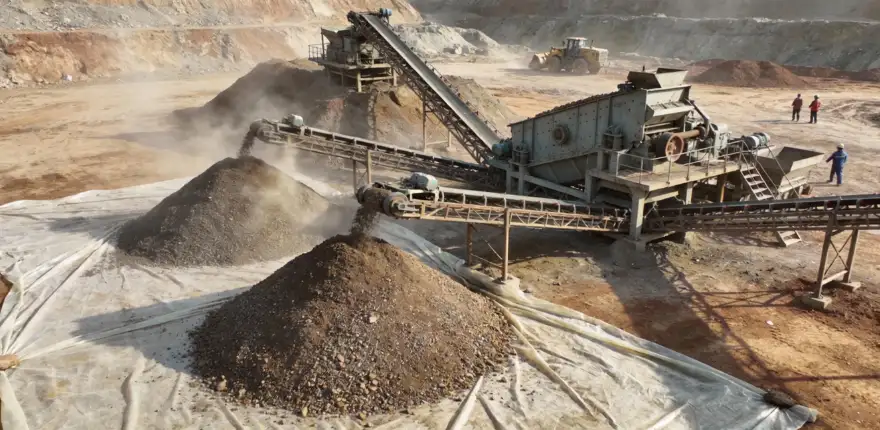
The rare earth supply chain will continue to be centered in China in 2026, controlling the entire industrial chain from upstream mining and midstream separation and smelting to downstream high-precision processing. China dominates the global supply and influences the international market through export controls. The following are the core status quo, risks, and dynamics of the current rare earth supply chain.
- Rare Earth Reserves: China accounts for approximately 37-44% of global reserves.
- Production: China accounts for approximately 70% of global rare earth mining production.
- Processing & Separation Capacity: China accounts for over 90% of global production.
- Permanent Magnet Material Production: China accounts for over 90% of global production.
China has notably tightened export controls on rare earth elements since 2025, with a particular focus on medium and heavy rare earth elements and related magnetic materials, by adding them to the Dual-Use Items Export Control List. Key measures include:
April 2025: Announcement No. 18 of the Ministry of Commerce/General Administration of Customs placed export restrictions on seven categories of medium and heavy rare earth-related items.
October 2025: Announcements No. 61 & 62 further broadened the controls to cover overseas rare earth items, technologies, drawings, and maintenance services, imposing export controls on related overseas rare earth items.
Early 2026: Tighter scrutiny was applied to specific countries, requiring detailed proof of end-use; some Chinese companies suspended signing rare earth contracts with Japan.
Note: China's rare earth export control policies have directly driven up the price of neodymium magnets.
Diversified layout
Western countries and their allies committed more than $3 billion to the rare earth supply chain, with investments targeting mining development, separation and smelting, magnetic material production, and recycling.
Australia is the leading rare earth producer outside of China. Heavy rare earth (Dy, Tb) production commenced in 2026, and samarium (Sm) production is slated to start in April, which would represent roughly 10-15% of global supply.
- The United States: The Mountain Pass mine accounts for 5-10% of global production, and a magnetic material plant is expected to begin production early in 2026.
- Myanmar: An important source of medium and heavy rare earths, but conflict/mining bans in 2025-2026 will exacerbate the tight supply balance from China.
- Japan: Companies like JX Metals are accelerating supply chain construction. A joint venture rare earth recycling plant with France is scheduled to begin production in 2026, with a designed capacity accounting for 15% of global production.
- Vietnam and Thailand: Strategically increasing imports to ensure diversification.
- Europe: Accelerated recycling and processing hub projects.
- Brazil: The US is considering cooperative development of new mineral resources.
If rare earth supply chains outside of China gradually achieve large-scale production, Western countries and downstream industries will gain some bargaining power. Neodymium iron boron (NdFeB) prices will experience less volatility caused by unilateral supply controls or geopolitical events, preventing frequent panic buying or soaring costs in related downstream industries.
Tip: Global diversification requires time and substantial capital.
Processing Difficulty
Tolerances
Processing-Difficulty.webp)
Tighter dimensional precision requirements lead to lower product yield, significantly increased raw material consumption and processing losses, which ultimately translates directly into a higher unit cost. This is one of the core reasons why NdFeB magnets used in high-end applications such as precision instruments, motors, and sensors are often much more expensive than ordinary magnets. If strict tolerance requirements are not imposed, the industry standard for standard dimensions is typically ±0.1 mm, where waste rates are manageable, and processing costs are low. However, if higher dimensional accuracy is required, tolerances often need to be tightened to ±0.03 mm ~ ±0.05 mm, or even more. Achieving this precision necessitates secondary finishing after sintering, which increases costs.
Significantly Increased Scrap Rate: Sintered NdFeB material is inherently very brittle, making it prone to chipping, corner breakage, micro-cracks, and even overall fragmentation during machining. Stricter tolerances result in smaller processing tolerances, with scrap rates typically ranging from 10-30% or even higher.
Soaring processing time and equipment costs: Precision machining requires high-precision grinding machines, wire EDM machines, and CNC 5-axis machining centers, among other high-end equipment.
Note: Exceeding tolerances can directly lead to improper assembly gaps, magnetic attenuation, or motor vibration.
Shapes
Sintered NdFeB magnets come in a wide variety of shapes, almost customizable to any geometry to meet specific application requirements. Common standard shapes include:
Sintered NdFeB magnets are extremely brittle. After sintering, the material has high hardness but poor toughness, making it almost impossible to directly mold complex shapes through plastic deformation. The final shape is typically achieved by removing excess material through wire cutting, precision grinding, CNC multi-axis machining, drilling, and milling. The machining path for complex shapes is long and involves many steps; each additional step increases the scrap rate cumulatively. If you have special shape requirements, please contact us to help you quickly achieve your high-performance magnet applications.
Note: Exceeding tolerances can directly lead to improper assembly gaps, magnetic attenuation, or motor vibration.
Coating
Ni-Cu-Ni is the most widely used and standard protective coating globally. It features a three-layer structure: a base layer of nickel, an intermediate layer of copper, and a surface layer of nickel, which provides robust, all-around corrosion protection. Different coating types differ considerably in terms of price, corrosion resistance, and applicable environments. Therefore, when choosing a coating, one should not blindly pursue the cheapest or most durable option, but rather prioritize matching the most suitable type based on the specific application.
| Coating Type | Price | Corrosion Resistance | Typical Applications |
|---|---|---|---|
| Ni-Cu-Ni | High | Excellent | New energy vehicle motors, wind power generators, industrial servo motors |
| Zinc | Low | Fair | Ordinary speakers, magnetic separation equipment, toy magnets |
| Epoxy | Medium | Fair | Motors in high-humidity environments, medical equipment, outdoor electronics |
| Phosphating | Low | Poor | Short-term storage, low-end magnets, as a base treatment layer |
| Tin | Medium | Fair | Solderable sensors, circuit board magnets, electronic connectors |
| Black Nickel | Medium | Fair | Optical instruments, military appearance components, aviation equipment |
| Gold | High | Excellent | High-end sensors, aerospace precision components, military high-reliability equipment |
| Parylene | High | Excellent | Medical implantable devices, extreme environment equipment, aerospace electronics |
Tip:The coating largely determines the lifespan of a magnet.
Purchase Quantity
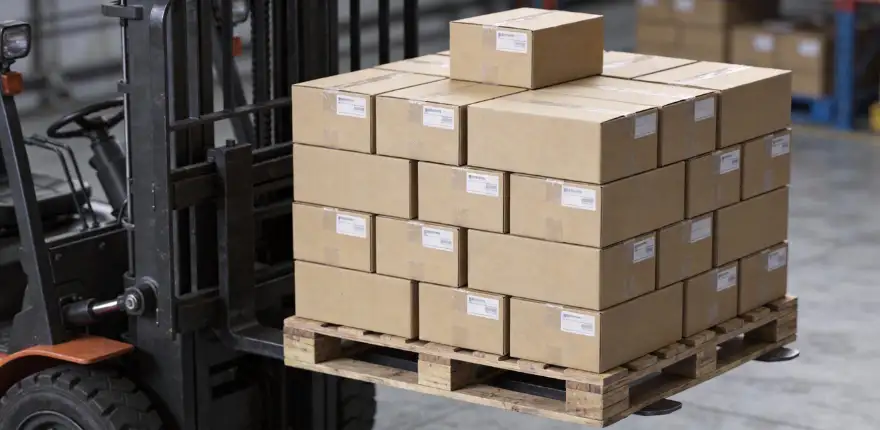
The purchase quantity is the key driver of the unit price of NdFeB magnets. Simply put: the more you buy, the lower the unit price. This is due to the combined effects of factory production efficiency, bulk raw material procurement, cost amortization, and tiered pricing mechanisms.
- Standard magnets: Generally have no MOQ requirement. The price is almost exclusively volume-based. the more you buy, the cheaper it is, making them ideal for retail or small-scale purchases.
- Custom magnets: Usually have a specific MOQ requirement. The price is based on the purchase quantity and production complexity.
Making custom magnets requires sourcing specialty rare earth materials, adjusting fixtures, and using dedicated production batches, resulting in relatively high fixed costs. Factories can only cover these additional costs and achieve reasonable profits when they reach a certain quantity.
Tip: It is recommended to conduct sample testing beforehand for custom orders.
Exchange Rate Fluctuations

The impact of exchange rate fluctuations on the price of NdFeB magnets is relatively limited in the Chinese market. However, for export-oriented enterprises, fluctuations in the RMB exchange rate directly affect profit margins and pricing strategies, ultimately impacting customer purchase prices.
- When the RMB appreciates continuously, profit margins are compressed. To maintain reasonable profitability, companies tend to raise their USD quotes, leading to an increase in the actual NdFeB purchase price paid by customers.
- When the RMB depreciates, profit margins improve. Companies can appropriately lower their USD quotes to boost their competitiveness to win more overseas business, resulting in a relative decrease in the purchase price of NdFeB.
Therefore, in scenarios involving cross-border procurement, exchange rate fluctuations become a critical variable affecting the actual procurement cost of NdFeB magnets. Both companies’ pricing strategies and customers’ decisions require close monitoring of the RMB/USD exchange rate trend.
Some FAQs
Which factor has the greatest impact on NdFeB prices?
The primary driver is the cost of rare earth raw materials.
Why do rare earth prices fluctuate so drastically?
China’s export controls on key heavy rare earths are a key driver of short-term price volatility.
How will praseodymium and neodymium affect prices in 2026?
Strong demand from sectors like electric vehicles, wind power, and high-efficiency motors is expected to sustain upward price pressure.
What role do dysprosium and terbium play?
They are critical for enhancing heat resistance, a key requirement in EV traction motors and premium industrial motors.
How much NdFeB is needed in a typical electric vehicle?
A typical electric vehicle uses about 2-3 kg, primarily in its permanent magnet traction motor.
Why does China dominate the NdFeB supply chain?
China controls more than 90% of the world’s NdFeB processing and magnet manufacturing capacity.
Which coating is most commonly used?
Ni-Cu-Ni is due to its proven reliability and excellent all-around corrosion protection at a competitive cost.
How does purchase quantity affect price?
Pricing follows economies of scale: higher volumes lead to lower unit costs. Standard magnets are priced by quantity, while custom magnets also have minimum order requirements to offset setup costs.
For more insights, check these related blogs:
How to Get the Best Wholesale Price for Neodymium Magnets in 2026
Top 5 Permanent Magnet Manufacturers in India 2026
Global Magnet Supplier TOPMAG: 2025 Canton Fair
N52: The Strongest Neodymium Magnets
Ready to upgrade your project? Browse our full product line at TOPMAG!🧲

I'm dedicated to popular science writing about magnets. My articles mainly focus on their principles, applications, and industry anecdotes. Our goal is to provide readers with valuable information, helping everyone better understand the charm and significance of magnets. At the same time, we're eager to hear your opinions on magnet-related needs. Feel free to follow and engage with us as we explore the endless possibilities of magnets together!