
 Magnetic flux density is a physical quantity representing the strength and direction of a magnetic field, and its symbol is B. It is the amount of magnetic flux passing perpendicularly through a unit area. Generally speaking, the magnetic flux density is greater, meaning the magnetic field strength is greater, in areas where magnetic field lines are denser.
There are two main units for magnetic flux density:
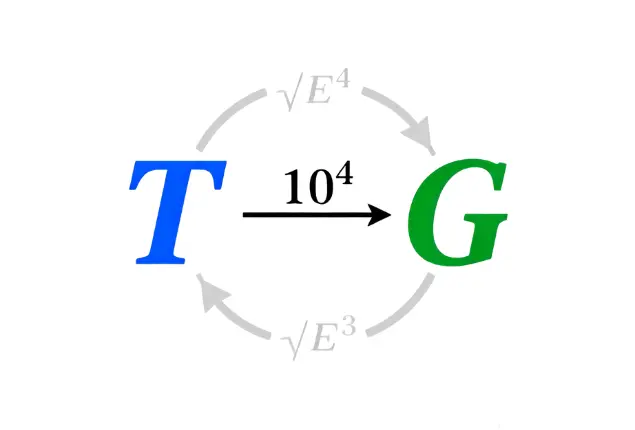 Tesla (T): The standard unit in the International System of Units (SI). Named after the inventor Nikola Tesla, who made outstanding contributions to the field of electromagnetism. It represents the magnetic flux of 1 Tesla equal to 1 Weber passing perpendicularly through an area of 1 square meter, i.e., 1 T = 1 Wb/m².
Gauss (G): A commonly used unit in the centimeter-gram-second (CGS) system. Named after the mathematician and physicist Karl Friedrich Gauss. 1 Tesla = 10,000 Gauss, i.e., 1 T = 10⁴ G or 1 G = 10⁻⁴ T.
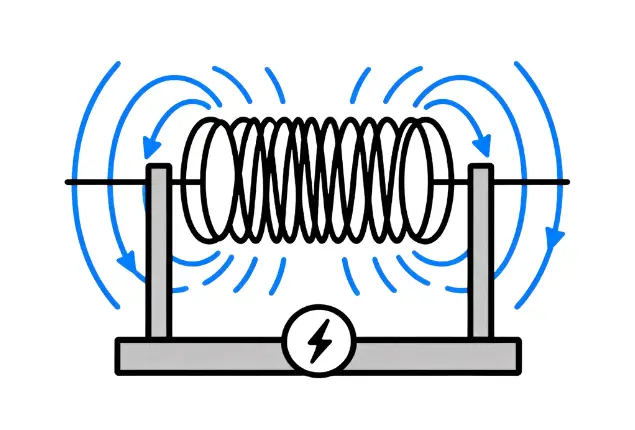 If the magnetic flux Φ passing through an area S is known, and the magnetic field is perpendicular to the area, the magnetic flux density B is calculated as: B = Φ / S.
If the magnetic field is not perpendicular to the area, with an angle θ between them, the formula is: B = Φ / (S · cos θ). Here, Φ is the magnetic flux (unit: weber, Wb), and S is the area (unit: square meter, m²).
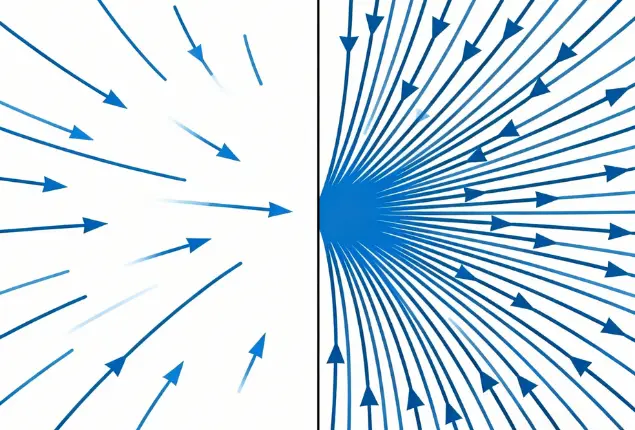 Magnetic permeability (μ) indicates a material’s ability to store magnetic field energy. Materials with high permeability can guide magnetic flux more effectively, reduce magnetic reluctance, and thereby increase magnetic flux density.
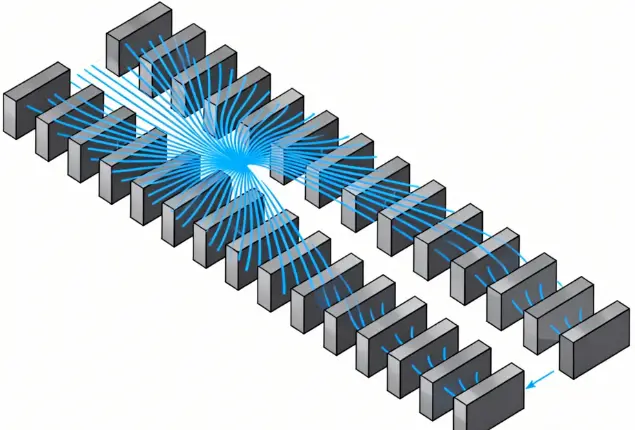 Reducing magnetic reluctance: Magnetic flux density can be effectively increased through proper magnetic circuit design and by avoiding magnetic flux leakage.
Increasing the effective length of the magnetic circuit appropriately can achieve a more uniform magnetic flux distribution, thereby increasing the magnetic flux density.
Multi-pole magnetization or special magnetic circuit structures: Using multi-pole magnetization or Halbach array designs can reduce leakage flux, concentrate the flux, and increase the air-gap magnetic flux density.
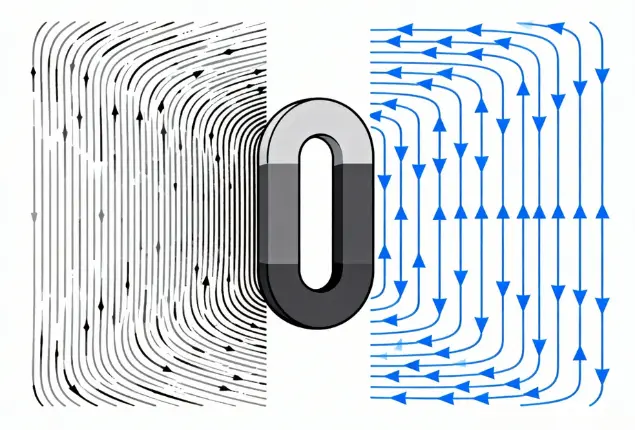 Increasing magnetic field strength: For electromagnets, a series of measures can be taken to increase magnetic flux density, such as increasing the number of coil turns, increasing current, and increasing voltage.
Optimizing magnetization direction: Choosing a suitable magnetization direction to better match the magnetic field distribution within the working area can improve magnetic flux utilization.
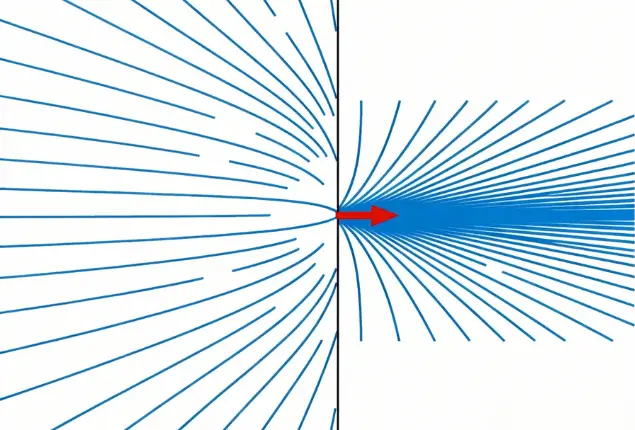 The air gap is a key factor affecting magnetic flux density. Reducing the air gap can increase the magnetic flux density. In practical applications, the amount of low-permeability material in the air gap should be minimized.
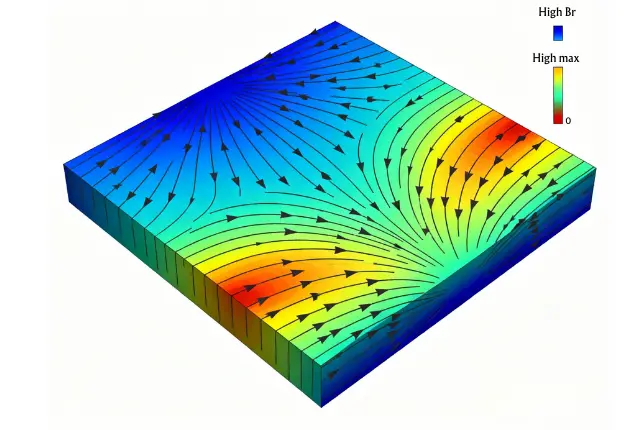 For permanent magnet materials, select those with high remanence (Br) and high maximum energy product ((BH)max) to increase the magnetic flux density produced by the magnet.
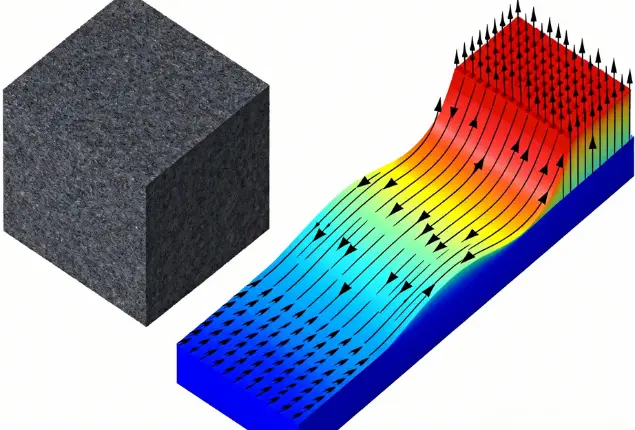 In some cases, combining multiple materials or structures can enhance magnetic flux density.
