 White magnets are not just any ordinary magnetic tools, with their peculiar charm and versatility. They also have durability, safety, and compatibility with modern design styles, all integrated into one. White magnets, with their beautiful look and functionality, are no longer the scene’s background. They are the protagonists that catch your eye with their elegant and practical appearance while giving a professional touch to retail displays, decorating refrigerators, or simply holding documents on a whiteboard.

 Office Environment: White magnets are indispensable in the modern office. They secure presentation materials to whiteboards, organize notices on filing cabinets, or quickly jot down notes on metal desks. The white appearance complements a minimalist office style, making it virtually invisible and maintaining a professional image.
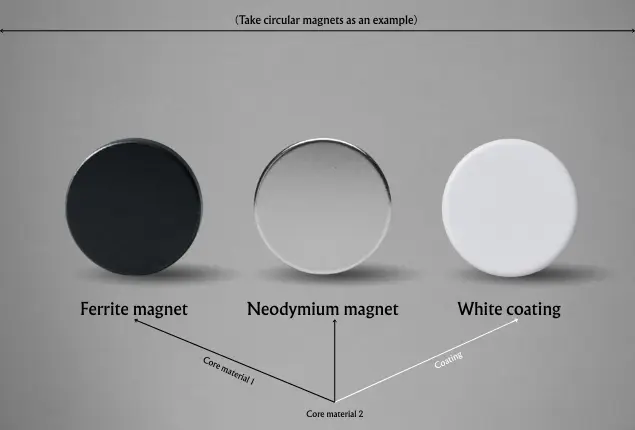
Home Organization: In the house, white magnets turn the refrigerator, kitchen cabinets, or any metallic shelving into an excellent, versatile storage system. Neodymium and ferrite differ in purpose: the former is used for heavy items like keychains or small kitchen utensils, while the latter is for lighter things, such as shopping lists or the kids’ art.
Crafts and DIY Projects: The only limit with white magnetic sheets is one’s imagination. Since they can be cut to size, they are ideal for making personalized fridge magnets, luck-bringing cards, or even more special gifts.
Retail and Display: The white magnets are used to hold signs or displays of promotional materials, which are invisible to all, to highlight the product. It can allow quick changes in displays with changes due to the magnetic property; this is convenient when you have seasonal promotions or you are pricing your products dynamically.
Education: The use of whiteboard magnets is favored by the teachers as they hardly catch the attention visually and are safe to handle, as they have no sharp edges.
 While selecting white magnets, you should take into account these aspects that will ensure the optimal performance of the magnets:
Required Magnetic Force: Measure the load that has to be held down. If the object to be attached is of low weight, then ferrite magnets will be enough, while neodymium magnets will be needed for heavier parts.
Surface Type: The holding force of the magnet varies with contact surfaces. The thickest metal will provide the best conditions for magnet attraction, while the thin metal or painted surface will reduce holding strength by over 50%. Always check the surface thickness to size the right magnet.
Environmental Factors: For humid, outdoor, or extreme temperature environments, magnets with a good coating should be chosen. A good coating will resist corrosion and last a long time.
Size and Grip: Neodymium magnets are a good solution for size constraint situations since they have a very high force per area. If the application has enough space, ferrite magnets can be used.