
How to Separate Strong Magnets
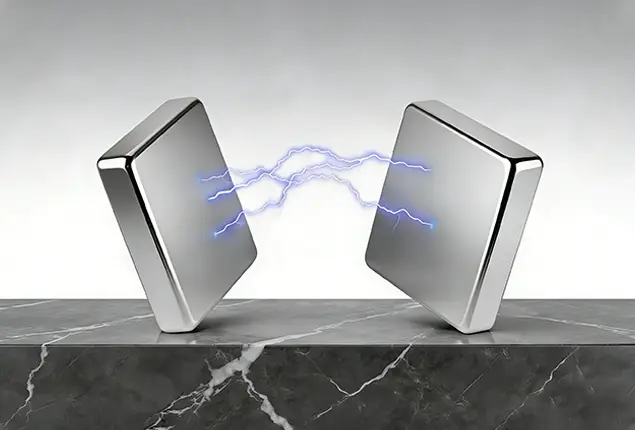
- Vertical pulling requires 100% of your force
- Horizontal sliding only requires around 15%
This guide will show you how to separate strong magnets safely and efficiently, helping you avoid injury and damage from improper handling.
内容
要点
- Strong magnets are safest separated by horizontal sliding, not vertical pulling.
- Use the right method for magnet size: hand, table lever, or non-metallic tools.
- Always prepare safely and avoid metal tools or heating to prevent injury and damage.
Quick Diagnosis: Which Method Should You Use?
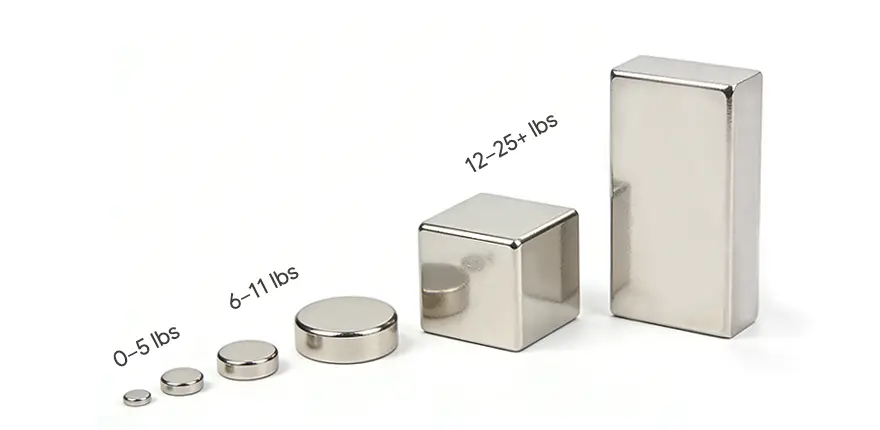
Separation difficulty and risk vary widely by magnet size and strength. To avoid pinching, fractures, or broken magnets, use this quick reference to choose the safest method.
| タイプ | 典型的なサイズ | Approx. Pull Force | Recommended Method | Quick Instruction |
|---|---|---|---|---|
| 🟢 Small | <1 cm³> | 0–5 lbs | Hand sliding | Slide horizontally — don’t pull straight |
| 🟡 Medium | 1–30 cm³ / palm-sized | 6–11 lbs | Table-edge lever | Hold one firm; press the other downward |
| 🔴 Large | >30 cm³ / over 50mm | 12–25+ lbs | Wooden wedge / separator | Use only non-metallic tools |
Why Are Strong Magnets So Hard to Separate?
What Are Strong Magnets
| 特徴 | Ferrite (Ordinary Magnet) | Neodymium (Strong Magnet) |
|---|---|---|
| 外観 | Dull dark gray/black | Bright silver metallic finish |
| Weight | Lighter | 30–50% heavier at the same size |
| 強さ | Holds small nails | Grips heavy tools firmly |
| 脆さ | Tough, less likely to break | Very brittle, easily chips or shatters |
| コーティング | Usually uncoated | Typically Ni-Cu-Ni plated |
💡 About Samarium-Cobalt (SmCo) Magnets:
Another type of rare-earth magnet, slightly weaker in magnetic force but far more heat-resistant, often used in aerospace. The separation methods are identical to neodymium magnets. Since it is used in specialized fields and rarely seen in daily applications, we will not elaborate on it further in this article.
Why They’re So Hard to Separate
- Extreme magnetic force — up to dozens of times stronger than ferrite.
- Zero-air-gap contact — suction peaks when fully closed.
- Brittle ceramic-like structure — cannot be bent, twisted, or pried violently.
Before You Begin: 30-Second Safety Prep
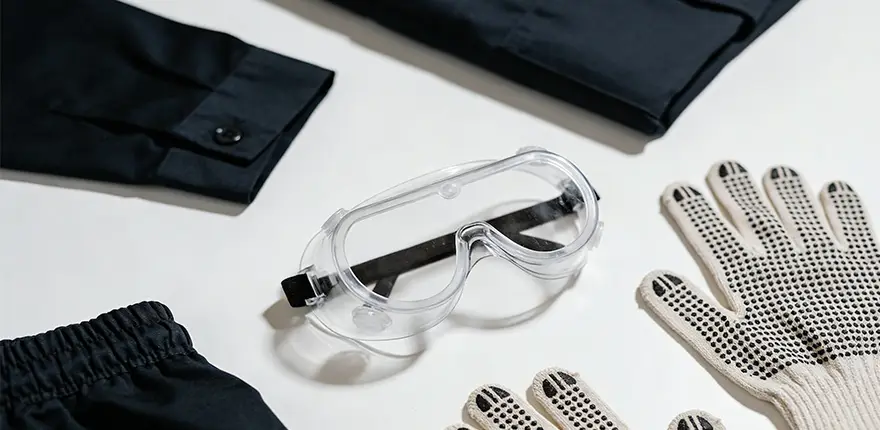
1. Safety Gear
- Safety goggles (protect against flying fragments)
- Cut-resistant gloves (prevent pinching and cuts)
- Long sleeves (avoid scratches)
2. Work Area
- Use a wood or plastic workbench (metal surfaces will attract magnets)
- Clear all steel tools, nails, and metal fragments within 1 meter
- Keep phones, watches, bank cards, and electronics away (magnetic interference can damage them)
- Get a partner for large or high-grade magnets
3. Tools Ready
- Cardboard or plastic sheets (for safe storage after separation)
- Wooden or plastic wedges (for Method 3)
Safe Methods to Separate Strong Magnets
The following are four main methods for separating magnets. Which method to choose depends on the size and magnetic force of the magnets, as well as the tools available. You can refer to the table at the beginning of this article for guidance.
Method 1: Hand Sliding (Small Magnets)
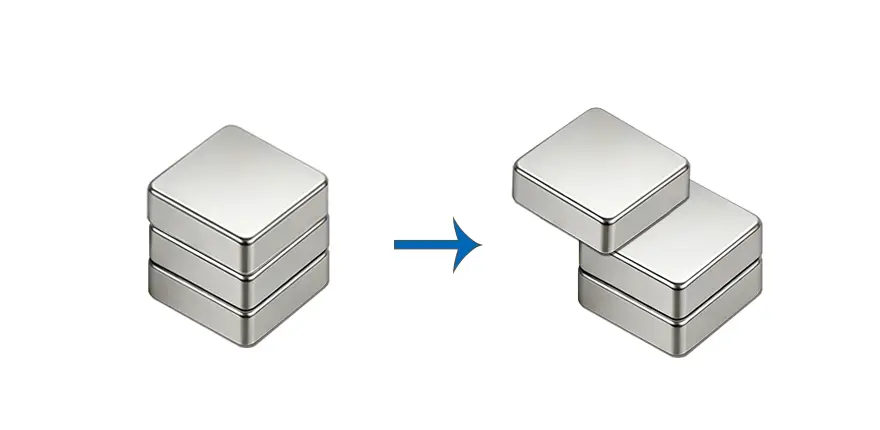
- Hold one magnet firmly in place.
- Slide the second magnet horizontally sideways.
- As the contact area shrinks, the magnet will release easily.
- Move the magnets apart immediately once separated.
Tip: If sliding is stiff, rotate the top magnet 30–45° first to reduce contact area by ~30%.
Method 2: Table-Edge Lever (Medium Magnets)
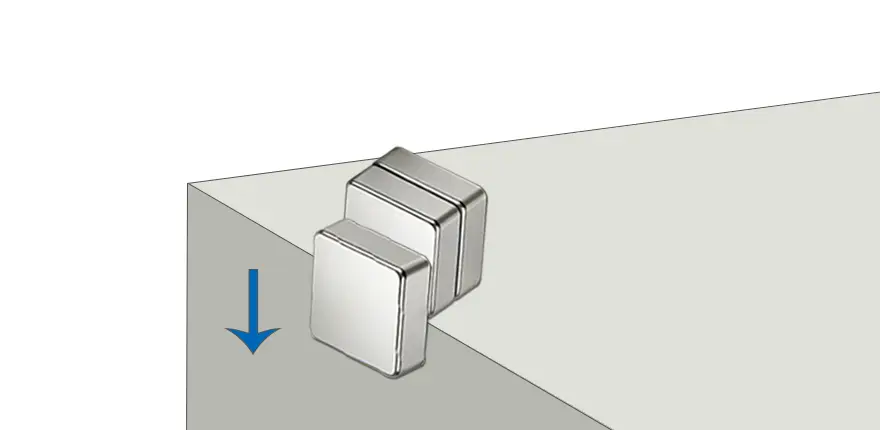
- Move the paired magnets to the edge of a sturdy wood or plastic table.
- Keep the top magnet on the table; let the bottom one hang slightly over the edge.
- Hold the top magnet steady.
- Press downward gently on the suspended magnet until it peels away.
Tip: If resistance is high, rotate the pair 90° and try again — magnetic force is often uneven across surfaces.
Method 3: Wooden Wedge (Large / High-Grade Magnets)
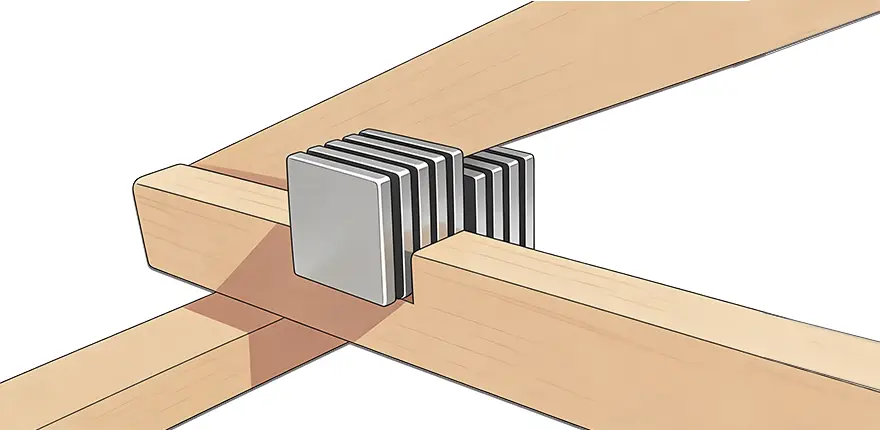
- Hold the assembly securely.
- Insert a wooden wedge into the gap.
- Gently tap or push the wedge to widen the gap gradually.
- Once force drops, separate the magnets completely.
- Move them to a safe distance right away.
⚠️ Critical Safety Warning
Magnets rated N52 or larger than 50mm must be handled by two people. Serious finger injuries and fractures have occurred during solo operation.
Tip: No wedge? Use a sharpened bamboo stick or stacked plastic cards.
Method 4: Professional Magnet Separator
For regular industrial or production use, a dedicated tool is safer and faster.
| Usage Situation | Recommendation |
|---|---|
| 1–2 times per week | Not necessary |
| 3–10 times per week | Optional |
| 10+ times per week | Highly recommended |
| Magnet >50mm | Recommended |
| Pull force over 25 lbs | Recommended |
| Factory / production line | Custom separator advised |
What to Do If You Pinch Your Finger
If your finger gets caught between magnets:
DO NOT yank or pull hard — this increases injury risk
Slide the magnet sideways to reduce contact area
Insert a thin wedge if needed to create space
Apply a cold compress for swelling
Seek medical help if severe pain, bleeding, or limited motion occurs
Prevention tip: Always wear cut-resistant gloves and follow the methods in this guide. Never attempt to separate medium or large magnets with bare hands.
よくある質問
Can I use a screwdriver or metal tool to pry them apart?
No. Metal tools will be pulled violently toward the magnet, causing loss of control and injury.
Can I heat the magnet to demagnetize it first?
Not recommended. Heat causes 永久消磁, ruining the magnet.
Are small magnets dangerous?
Yes. Their concentrated force can easily pinch fingers. They pose a particular risk to children.
How to determine the magnet grade?
It cannot be accurately judged by appearance. The most reliable method is to measure magnetic properties with a gaussmeter or fluxmeter.
How to safely put them back together?
Use cardboard or a thin wooden spacer between them. Align slowly, then slide the spacer out gently.
さらに詳しい洞察については、以下の関連ブログをご覧いただきたい:
プロジェクトをアップグレードする準備はできていますか?TOPMAGの全製品をご覧ください!🧲。

私は磁石に関するポピュラー・サイエンスの執筆に専念している。私の記事は主に、磁石の原理、応用、業界の逸話に焦点を当てています。読者の皆様に価値ある情報を提供し、磁石の魅力や意義をより深く理解していただくことが目標です。同時に、磁石にまつわる皆さんのご意見もお待ちしています。磁石の無限の可能性を一緒に探っていきましょう!